THE ART of FENG SHUI and HOME SELLING
What does the ancient philosophy of Feng Shui have to do with real estate?
Feng Shui is the ancient art of arranging and designing living spaces to support health, harmony, and well-being. In real estate, Feng Shui can help create a home environment that feels balanced, welcoming, and emotionally appealing to buyers.
A home with good energy flow aften feels more peaceful, functional, and comfortable - qualities that naturally interest from potential buyers.
From understanding the Five Elements and the Bagua Map to mastering the balance of Yin and Yang, Feng Shui offers practical techniques that can enhance the atmosphere and energy of a home.
The Five Elements Feng Shui
1. Wood - Creativity and Growth
Wood symbolizes vitality, creativity, and personal growth.
Many homebuyers are naturally drawn to wood flooring because it creates warmth and timeless appeal. Depending on the color, board size, and pattern, wood flooring can feel either contemporary or traditional. Area rugs layered on top add personality and comfort.
Indoor plants are also essential in Feng Shui because they represent healthy, living energy. Popular Feng Shui plants include:
-
Lucky bamboo
-
Jade plant
-
Peace lily
-
Pothos
-
Pilea
2. Fire - Leadership and Boldness
Fire represents passion, confidence, energy, and visibility.
The fire elements is often expressed through shades of red and warm lighting. A touch of red can energize a space and create a welcoming focal point.
Examples include:
-
Red accent rugs
-
Artwork
-
Candles
-
Decorative accessories
-
A red front door
3. Earth - Strength and Stability
Earth symbolizes grounding, security, and stability.
Earth tones such as yellow, beige, terracotta, and warm neutrals help create a comforting envionment.
Examples include:
-
Red brick
-
Ceramic decor
-
Terracotta pots
-
Natural stone
-
yellow flowers
4. Metal - Clarity and Logic
Metal represents focus, organization, precision, and clarity.
Metal elements are commonly reflected in white, gray, and pastel color palettes, along with metallic finishes.
Examples include:
-
Copper
-
Gold tones
-
Silver
-
Brass
-
Metallic decor accents
5. Water - Wisdom and Serenity
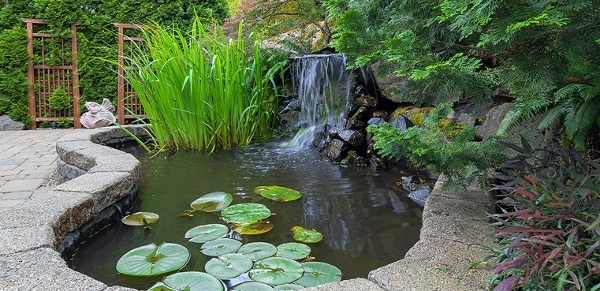
Water symbolizes wisdom, calmness, abundance, and flow.
Blues and darker tones are commonly associated with the Water element..
Examples include:
-
Fresh flowers in a crystal vase
-
Mirrors
-
Glass decor
-
Water fountains near the entrance
-
Artwork featuring water scenes
Balancing Yin and Yang
Balancing Yin and Yang helps ensure that every room supports its intended purpose.
Yin: Soft, calm, nurturing energy associated with:
-
Nighttime
-
Quietness
-
Relaxation
-
Coolness
-
Comfort
Yin energy is ideal for bedrooms, meditation spaces, and restful environments.
Yang: Bright, active, dynamic energy associated with:
-
Sunlight
-
Activity
-
Sociability
-
Warmth
-
Movement
Yang energy works well in kitchens, living rooms, offices, and gathering spaces.
Bagua Map serves as a roadmap to understanding and optimizing the energy flow in the home. Imagine dividing the home into nine sections, with each section representing a different life area, such as wealth and prosperity, relationships, career, family, health, knowledge, creativity, helpful people, and reputation.


.